 By Tea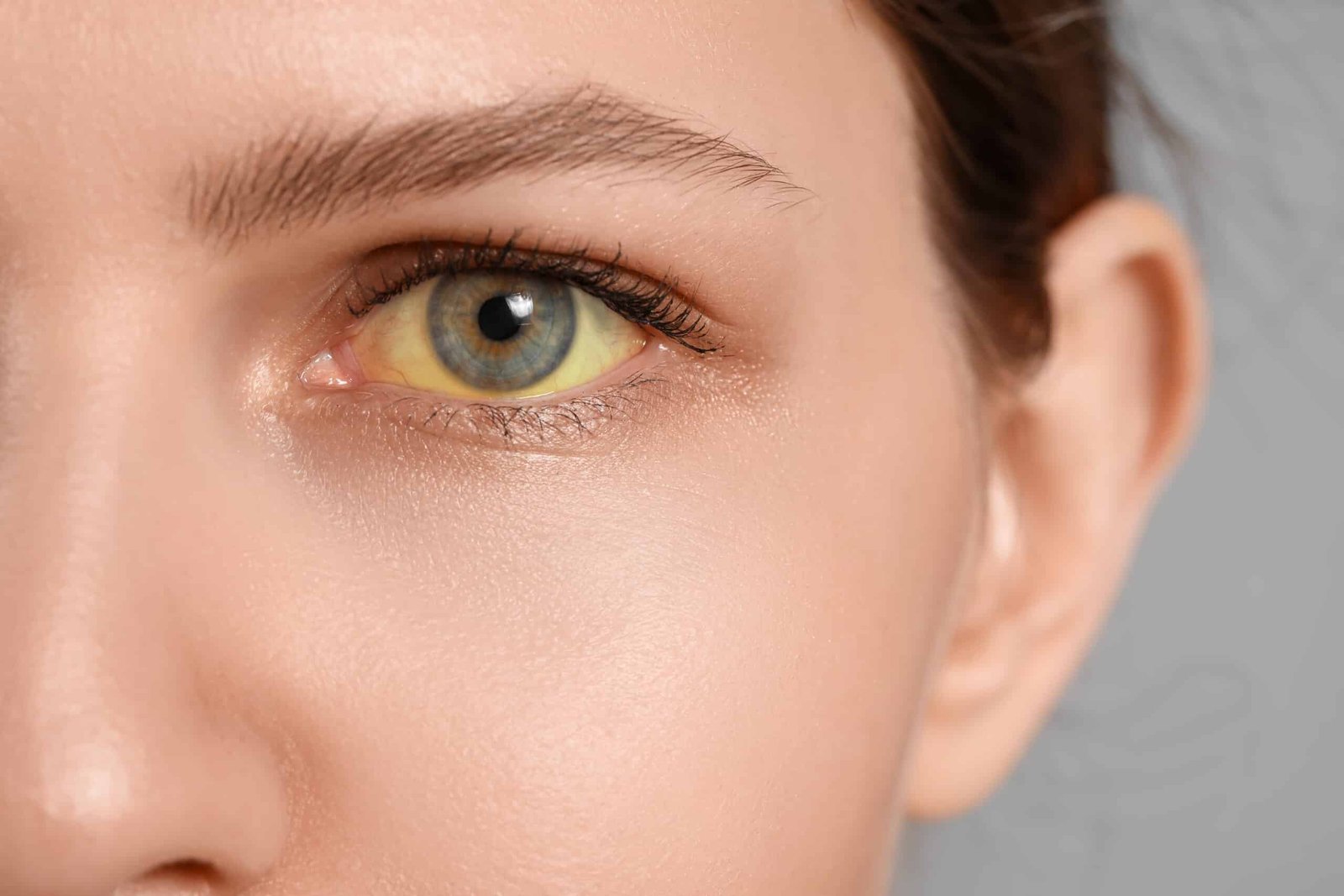
Experience
A few years ago, I noticed that my skin tone was changing — especially around my eyes and palms. At first, I thought it was just aging or lack of sleep. But when friends started commenting on my yellowish skin, I decided to see a doctor. The result shocked me — my liver was under stress, and my body wasn’t processing toxins properly.
This experience taught me an important lesson: yellowing skin isn’t just a cosmetic issue — it’s a health warning. In this review, we’ll explore why skin turns yellow with age, what it could mean for your health, and how to protect your organs before it’s too late.
Introduction
As we age, our skin naturally changes in texture, color, and elasticity. However, when your skin — or even the whites of your eyes — begin to take on a yellowish tint, it can be a serious indicator of underlying health issues.
This condition, known as jaundice, often signals liver, gallbladder, or pancreatic problems. Sometimes, it may also relate to diet or medication side effects. But in any case, it’s a symptom you should never ignore.
In this guide, we’ll break down the main causes of yellow skin, the health risks involved, and natural ways to restore your body’s balance — all while using the right SEO keywords for better online reach.
Main SEO Keywords: yellow skin causes, skin turning yellow with age, liver health warning, signs of liver disease, skin discoloration health, aging and jaundice
Main Features — Understanding Why Skin Turns Yellow
1. Liver Dysfunction (The Most Common Cause) 🩸
Your liver acts as the body’s detox center. When it can’t process bilirubin — a yellow pigment formed by breaking down old red blood cells — this substance builds up in your blood and turns your skin yellow.
Common causes include fatty liver, hepatitis, alcohol damage, or medication overload.
👉 Health Tip: Eat antioxidant-rich foods like spinach, carrots, and turmeric. Avoid alcohol and processed foods.
2. Gallbladder or Bile Duct Blockage 💚
When bile flow is blocked due to gallstones or inflammation, bilirubin cannot be eliminated from your system. This causes yellow skin and eyes, along with itching and abdominal pain.
👉 Health Tip: Drink plenty of water and eat fiber-rich foods to maintain healthy bile flow.
3. Pancreatic Disorders 🧠
The pancreas helps with digestion and hormonal balance. In some older adults, pancreatic inflammation or tumors can obstruct bile ducts, leading to skin yellowing and digestive issues.
👉 Health Tip: Reduce fatty foods, sugar, and red meat to support pancreatic health.
4. Excessive Carotene Intake (Carotenemia) 🥕
Eating too many carrots, pumpkins, or sweet potatoes can make your skin appear yellowish, especially on palms and soles. This is harmless but often confused with liver-related jaundice.
👉 Health Tip: Balance your diet — don’t overconsume orange-colored vegetables.
5. Aging and Slower Metabolism 🕰️
As we age, metabolism slows down. This makes toxin elimination less efficient, causing subtle skin yellowing even without a serious illness.
👉 Health Tip: Drink more water, exercise regularly, and get annual health checkups to monitor liver and kidney function.
Final Thoughts
Yellow skin is your body’s warning signal, not just a surface-level problem. Whether it’s liver overload, gallbladder issues, or age-related metabolic slowdown, it’s important to pay attention early.
If you notice yellowing skin, don’t ignore it — get a blood test for liver enzymes and bilirubin levels.
Taking care of your liver, pancreas, and overall nutrition can help your skin glow naturally again and prevent serious illness.