 By Tea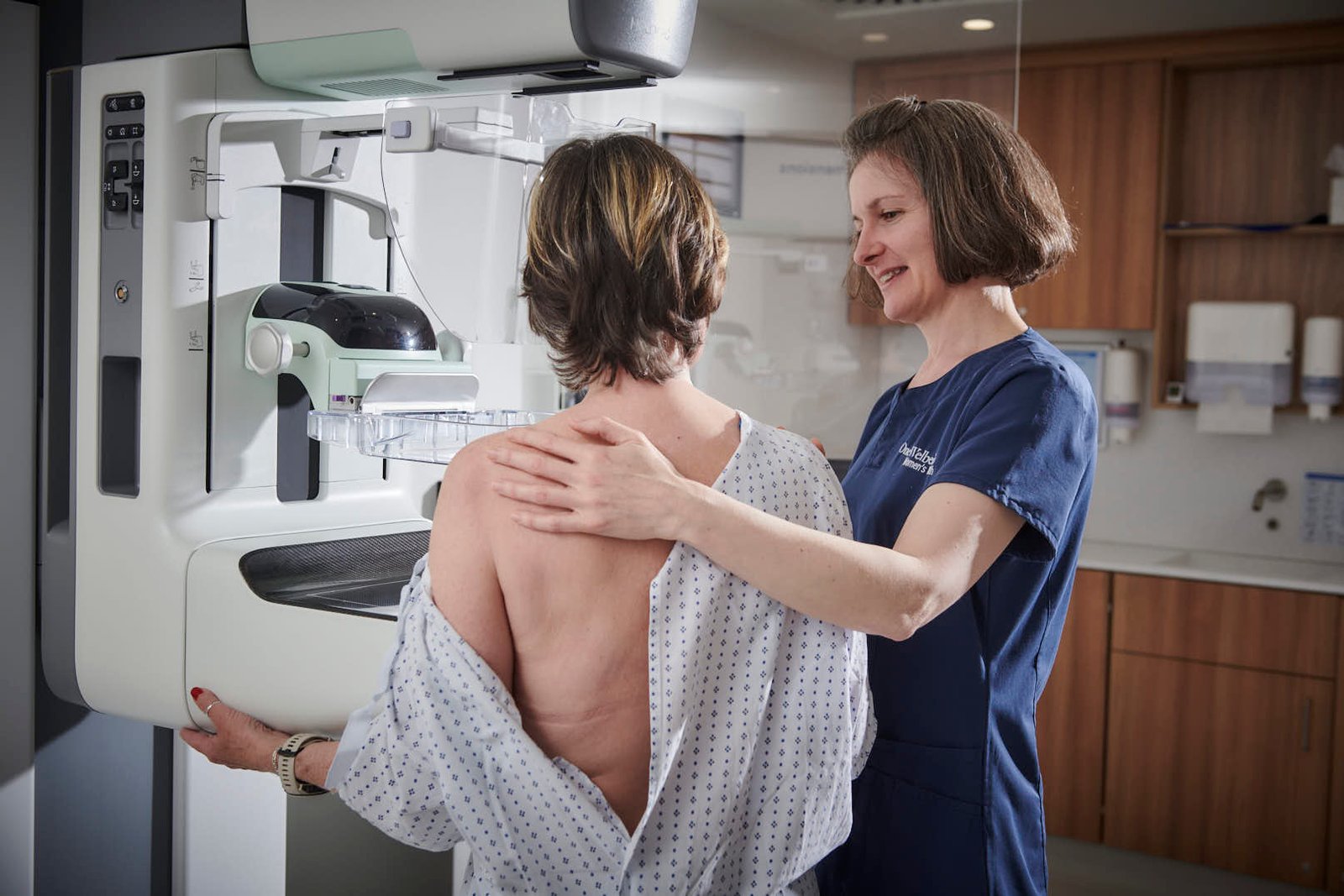
Experience
When I first learned about breast cancer screening using MRI and CEM, I was honestly overwhelmed. There are so many imaging options nowadays—mammograms, ultrasounds, MRI, and now Contrast-Enhanced Mammography (CEM). I wasn’t sure which one would be most effective or comfortable.
My first experience was with an MRI scan. The procedure was thorough but a little intimidating—lying still in the tube while the machine whirred around me was nerve-wracking. However, I appreciated the high accuracy of MRI. My doctor explained that MRI is particularly useful for dense breast tissue, high-risk patients, or cases where mammograms might not detect small lesions.
A few weeks later, I tried CEM, which is a relatively newer technology combining traditional mammography with a contrast agent to highlight areas of concern. The experience was quicker, less claustrophobic, and surprisingly comfortable. The CEM images provided clear results, and my doctor explained that it is almost as accurate as MRI for many cases, especially in detecting tumors in dense breast tissue.
Comparing the two experiences, I realized both have their pros and cons, and the best choice often depends on personal risk factors, breast density, and the doctor’s recommendation. This experience was eye-opening—it taught me that breast cancer screening is not one-size-fits-all and that understanding the differences between MRI and CEM can make a big difference in early detection.
Introduction
Breast cancer remains one of the most common cancers among women worldwide. Early detection is crucial, and advances in imaging technology have made it easier to identify tumors at an early stage. While traditional mammography is widely used, new methods like MRI (Magnetic Resonance Imaging) and CEM (Contrast-Enhanced Mammography) offer additional benefits, particularly for women with dense breast tissue or higher risk factors.
This review aims to explain the differences between MRI and CEM, highlighting their strengths, limitations, and suitability for different patients. By understanding these options, women can make informed decisions about their breast health and ensure the highest accuracy in cancer screening.
Main Features
1. MRI for Breast Cancer Screening
-
High Sensitivity: MRI can detect very small lesions that mammography or ultrasound may miss.
-
Best for High-Risk Patients: Women with BRCA mutations or strong family history benefit most.
-
No Radiation: MRI uses magnetic fields and radio waves instead of X-rays.
-
Detailed Imaging: Offers 3D views, helpful in assessing tumor size, location, and possible spread.
-
Longer Procedure: Typically takes 30–60 minutes and requires lying still in a narrow tube.
2. CEM (Contrast-Enhanced Mammography)
-
Combination Approach: Uses traditional mammography with a contrast agent to highlight suspicious areas.
-
Shorter and Comfortable: Usually completed in 10–15 minutes; less intimidating than MRI.
-
High Diagnostic Accuracy: Almost comparable to MRI in many cases, especially for dense breast tissue.
-
Slight Radiation Exposure: Similar to standard mammography but with enhanced detection ability.
-
Quick Results: Images are processed rapidly, often allowing faster consultations with doctors.
3. Key Differences Between MRI and CEM
| Feature | MRI | CEM |
|---|---|---|
| Procedure Time | 30–60 minutes | 10–15 minutes |
| Comfort Level | Less comfortable, confined tube | More comfortable, open mammography machine |
| Radiation Exposure | None | Low, similar to standard mammogram |
| Accuracy | Very high, especially for dense breasts | High, almost as MRI for many cases |
| Cost | Higher | Usually lower than MRI |
| Use Case | High-risk patients, dense tissue, unclear findings | Dense tissue, routine screening, faster evaluation |
Conclusion
Choosing the right screening method is not just about technology; it’s about personalized healthcare. MRI offers maximum sensitivity and detailed imaging for high-risk individuals, while CEM provides a faster, comfortable, and nearly equally accurate alternative for many patients.
Final Verdict: ⭐⭐⭐⭐⭐
-
Both MRI and CEM are highly effective for breast cancer screening
-
MRI is ideal for high-risk or dense breast tissue
-
CEM is quick, comfortable, and cost-effective
-
Early detection through these imaging methods saves lives
Understanding the differences between MRI and CEM empowers women to take control of their breast health and make informed, confidence-driven decisions.