 By Tea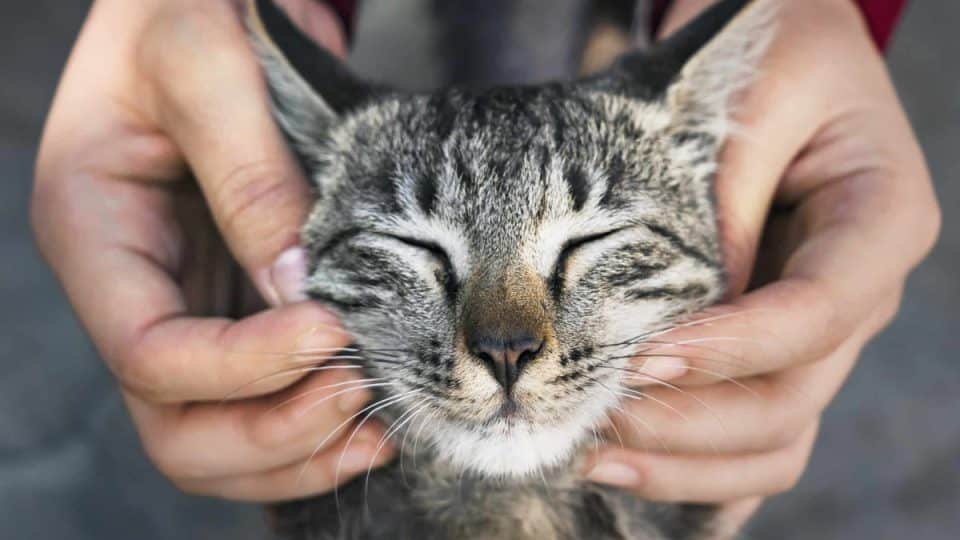
Experience
I’ve shared my home with cats for over a decade, and one of the most endearing yet puzzling behaviors is their love for sleeping on people. At first, it felt like a mild inconvenience—warm spots in odd positions and occasional accidental scratches—but over time I realized this behavior is a profound display of trust. When a cat curls on your lap, chest, or even head, it’s saying, “I feel safe with you.”
From personal experience, allowing them to rest on me has strengthened the bond, reduced stress levels, and even encouraged mindfulness. I’ve learned to manage their quirks: handling sudden bursts of energy, attention-seeking behaviors, and nighttime escapades with patience and subtle redirection. Understanding these behaviors transformed my home into a calm, happy environment for both me and my feline companions.
Keywords: why cats sleep on you, cat behavior tips, cat trust signals, quirky cat habits, how to handle cats, cat bonding, understanding cats
Introduction
Cats are mysterious creatures, often oscillating between aloof independence and affectionate attachment. One common question among cat owners is: “Why does my cat insist on sleeping on me?” Understanding this behavior is not just adorable—it’s crucial for proper pet care. Cats seek warmth, safety, and social bonding when they choose a human as their preferred resting spot.
This review covers the science behind cats’ cuddling habits, psychological and physiological explanations, and actionable tips for handling their quirky behaviors. By the end, you’ll not only appreciate your cat’s peculiarities but also learn to strengthen your bond and manage common challenges like night prowls, play aggression, and attention demands.
Main Features / Key Insights
1. Cats Sleep on You as a Trust Signal
When a cat sleeps on your lap or chest, it’s a profound statement of safety and affection. Wild ancestors of domestic cats were vulnerable during rest; choosing to sleep on you shows they consider you a safe environment.
-
Behavioral Tip: Reward trust gently with soft pets or low-voiced praise. Avoid sudden movements that might break the sense of security.
2. Warmth and Comfort Drive the Behavior
Cats naturally seek warmth. Human body heat provides an ideal temperature for sleeping. This explains why cats often sleep on laps, chests, or near shoulders during cold weather.
-
Behavioral Tip: Providing heated cat beds or soft blankets can satisfy this need, while still offering alternatives if you want personal space.
3. Scent and Social Bonding
Cats use scent glands on their cheeks, paws, and flanks to mark territory and form social bonds. Sleeping on you integrates your scent with theirs, reinforcing comfort and attachment.
-
Behavioral Tip: Regularly brushing and gentle grooming helps cats feel connected and reduces shedding around sleeping areas.
4. Managing Quirky Behaviors
-
Midnight Zoomies: Redirect energy with interactive toys before bedtime.
-
Attention-Seeking Paws: Set play schedules; reward calm behavior with treats.
-
Accidental Scratches: Trim nails regularly and use soft petting techniques.
Consistency and patience help cats adjust without stress, strengthening the human-feline relationship.
5. Understanding Body Language
Cats communicate through tail flicks, ear positioning, and purring patterns. Learning these cues helps prevent misinterpretation of affection or aggression, ensuring a harmonious environment.
-
Behavioral Tip: Observe before reacting—sometimes a twitching tail indicates excitement, not anger.
6. Health Benefits for Humans
Letting cats sleep on you can lower cortisol, reduce blood pressure, and boost overall mood. Pet therapy studies show human-cat interactions positively impact mental health, making this behavior mutually beneficial.
7. Creating a Cat-Friendly Environment
Provide climbing spaces, scratching posts, and cozy resting spots to encourage natural behaviors and reduce undesirable habits like furniture scratching or night prowls.
-
Behavioral Tip: Place alternative beds near your usual lounging spots to entice cats without conflict.
Final Thoughts
Cats sleeping on you is not just cute—it’s a form of communication, trust, and social bonding. By observing their behaviors, providing comfort alternatives, and establishing predictable routines, you can handle quirky habits like a pro.
Understanding these behaviors improves mutual respect, reduces stress, and deepens the connection between you and your feline friends. Remember, each cat is unique; patience, love, and consistency are key to nurturing a happy household.