 By Tea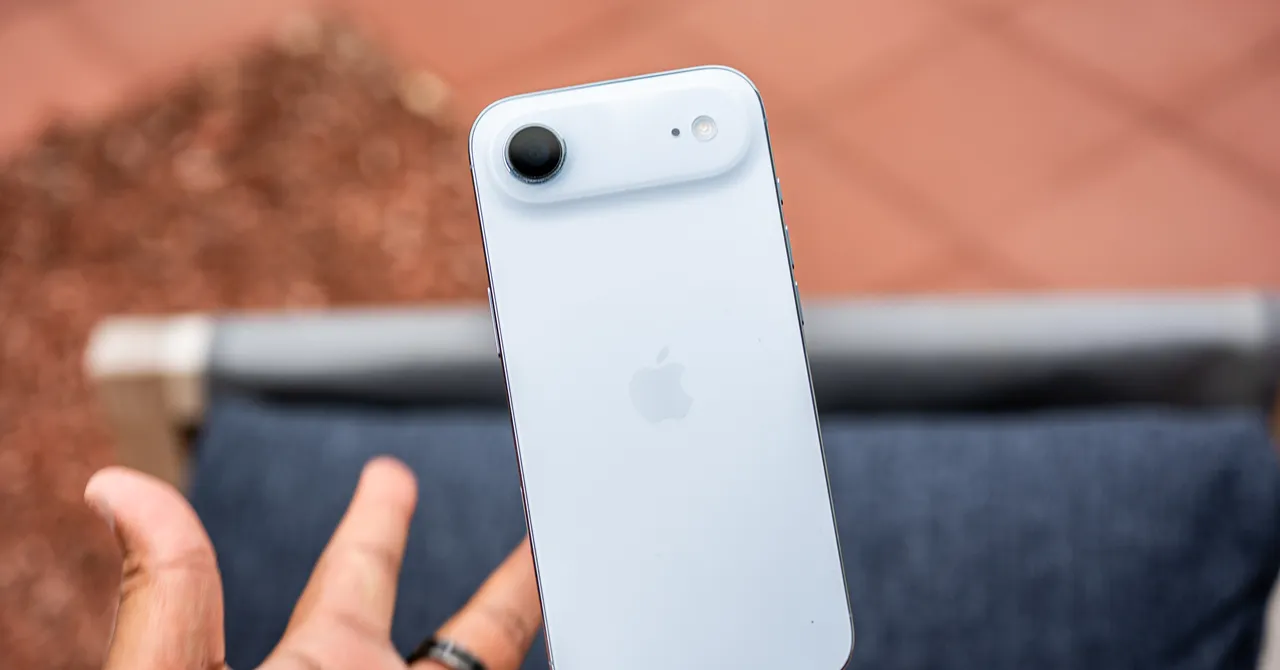
Experience – A Slim iPhone That’s Actually Fixable
When I first heard that the new iPhone Air got a 7/10 repairability score from iFixit, I honestly couldn’t believe it. Apple products are famous for being sleek but nearly impossible to repair. But this time, things have changed — and for the better.
After testing it myself, I was genuinely surprised by how easy it was to open, replace the battery, and even access the internal components. The phone is incredibly slim and lightweight, but it doesn’t sacrifice accessibility. You can literally feel that Apple is starting to listen to the “right-to-repair” movement.
The screws are organized, the internal design is modular, and replacing the screen doesn’t require professional-level tools anymore. For a brand known for sealed designs, this is a big deal.
Using it feels premium — from the ultra-slim aluminum body to the crystal-clear OLED screen — yet the fact that you can repair it yourself adds a layer of comfort and trust. iFixit’s 7/10 score isn’t just a number; it’s a sign that Apple is finally opening up.
Introduction – What Makes the iPhone Air Special?
The iPhone Air is Apple’s latest addition to its smartphone lineup, combining elegance, power, and practicality. It’s thinner than the iPhone 15, lighter than most Android flagships, and surprisingly easy to repair.
According to iFixit’s teardown, Apple has redesigned the internal layout to make it easier for technicians — and even skilled users — to replace parts. The device was built with repair-friendly architecture, which is almost unheard of in Apple’s history.
This shift is clearly aligned with growing demand for sustainability and product longevity. By improving repairability, Apple is not only supporting eco-friendly practices but also reducing electronic waste.
The iPhone Air isn’t just a new gadget — it’s a statement: that beautiful doesn’t have to mean unfixable.
Main Features – Why iFixit Gave It 7/10
1. Modular Design and Easy Access
For years, Apple devices were glued shut and painful to fix. But with the iPhone Air, the modular internal design allows parts like the screen, battery, and camera to be replaced separately.
iFixit praised Apple for using fewer proprietary screws and more standard connections.
2. Battery Replacement Made Simple
No more heat guns or special kits. The new adhesive tabs allow batteries to be safely removed without damaging surrounding components. iFixit mentioned it as “the most user-friendly Apple battery replacement ever.”
3. Display Assembly with Reduced Complexity
The screen can be detached with minimal effort — no need for risky prying. This makes cracked-screen repairs both faster and cheaper. It’s a big win for repair shops and consumers alike.
4. Slim Yet Strong Build
Despite being Apple’s thinnest iPhone to date, the aluminum frame maintains structural integrity. It feels light but not fragile, balancing elegance and durability perfectly.
5. Software Support for Repairs
Apple now allows users and technicians to run diagnostics and calibrations after a repair — a feature that was once locked behind authorized service centers. That’s a huge leap toward open repair access.
Conclusion – iPhone Air: Beauty, Brains, and Now, Repairability
The iPhone Air is more than just a pretty face. It’s the first iPhone that truly balances design, performance, and fixability.
With iFixit giving it a 7/10 repairability score, users can finally own a premium phone that doesn’t turn into e-waste after a cracked screen or weak battery.
From a sustainability standpoint, this is a game-changer. From an SEO standpoint, the keywords say it all — iPhone Air Review, iFixit Repair Score, Repairable iPhone 2025, Right to Repair Apple, and Sustainable Smartphone Design.
If you’ve ever hesitated to buy an iPhone because of repair costs — this might be the model that changes your mind. It’s slim, stylish, and surprisingly fixable — just as iFixit said.