 By Tea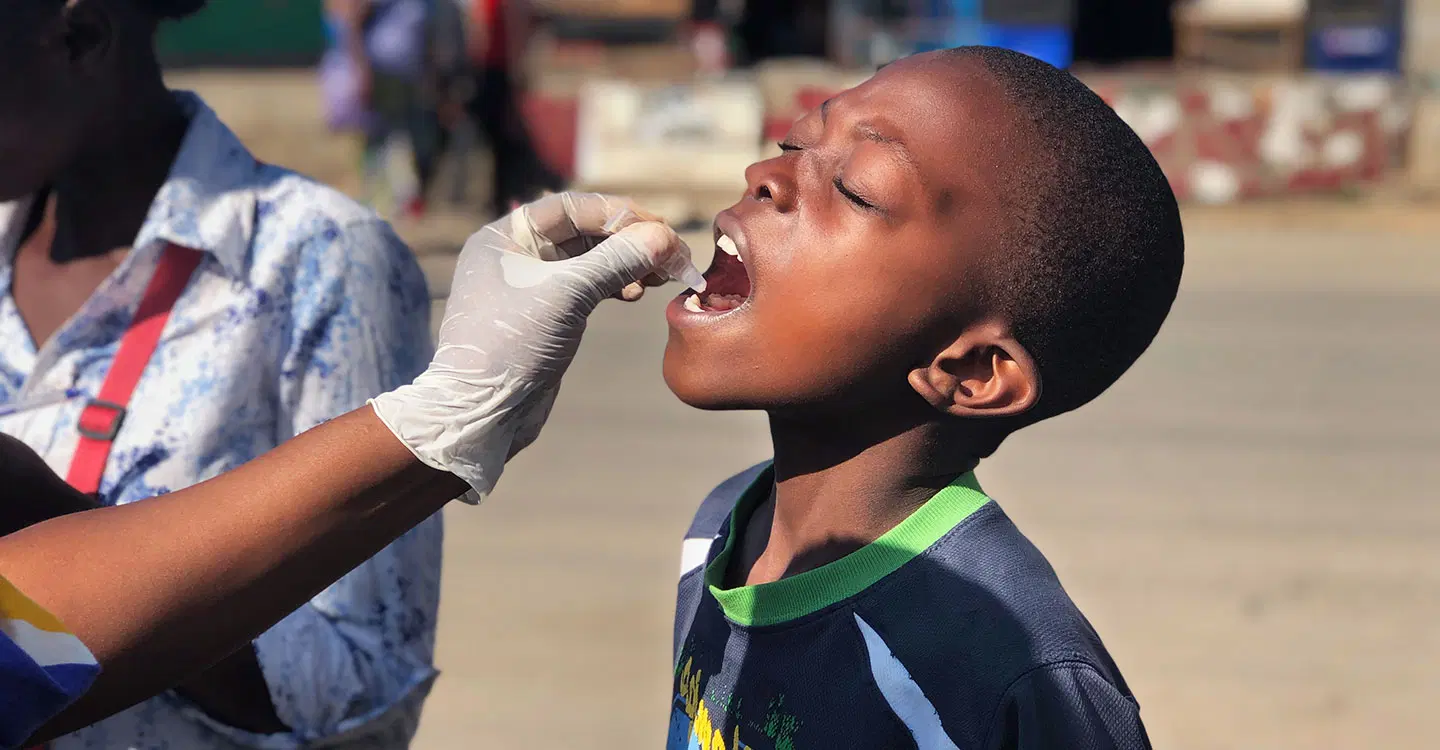
Overview of Cholera: Definition and History
Cholera is a severe diarrheal disease caused by the bacterium Vibrio cholerae. Historically, cholera has caused devastating pandemics across the world, particularly in regions with poor sanitation and limited access to clean water. From the 19th-century outbreaks to modern-day epidemics, cholera remains a persistent global health challenge. Understanding its history and nature is essential to tackling its spread effectively.
Factors Contributing to the Persistence of Cholera
Several factors contribute to the ongoing presence of cholera worldwide. Lack of clean water and poor sanitation are major drivers. In addition, population displacement due to conflicts or natural disasters often increases vulnerability. Climate change, with rising temperatures and flooding, also plays a role by creating favorable conditions for the bacteria. Weak healthcare infrastructure and delayed disease detection further exacerbate the problem, allowing outbreaks to escalate quickly.
Prevalence of Cholera in the World Today
Today, cholera affects millions, especially in low- and middle-income countries. Sub-Saharan Africa, South Asia, and parts of Latin America report the highest incidence. Despite global efforts, cholera remains endemic in many areas, with sporadic outbreaks causing significant morbidity and mortality. Accurate reporting is often challenging, which can hinder effective intervention strategies.
Efforts to Combat Cholera: Successes and Challenges
Global health organizations, including the WHO and UNICEF, have made notable progress in cholera prevention. Initiatives such as oral cholera vaccines, improved water and sanitation infrastructure, and public health education have reduced outbreaks in some regions. However, challenges persist. Vaccine coverage remains limited in high-risk areas, and emergency response systems are sometimes slow. Political instability, resource constraints, and public awareness gaps continue to hinder full control of the disease.
The Impact of Cholera on Communities and Individuals
Cholera has devastating consequences for affected communities. Beyond the immediate health risks, the disease imposes economic burdens due to lost productivity and high medical costs. Children and the elderly are particularly vulnerable, often experiencing severe dehydration and complications. Communities face social challenges as well, including stigmatization and disruption of daily life during outbreaks.
What Can We Do to Address the Challenge of Cholera?
Addressing cholera requires a comprehensive approach. Ensuring access to safe drinking water, promoting hygiene, and improving sanitation are critical. Vaccination campaigns should be expanded, particularly in high-risk areas. Strengthening healthcare systems to enable early detection and treatment is equally important. Community education and engagement are vital to empower individuals to protect themselves and prevent further spread.
Conclusion: The Importance of Continued Efforts in Fighting Cholera
Cholera is more than just a waterborne disease; it is a persistent global health challenge that requires continuous attention. While progress has been made, ongoing investments in sanitation, healthcare, vaccination, and public education are crucial. Combating cholera is a shared responsibility—governments, health organizations, and communities must work together to eliminate its devastating impact. Only through sustained efforts can we hope to finally control and prevent cholera worldwide.